Hospitality
Designing the Future: 2025 Macro Trends in Hospitality Spaces
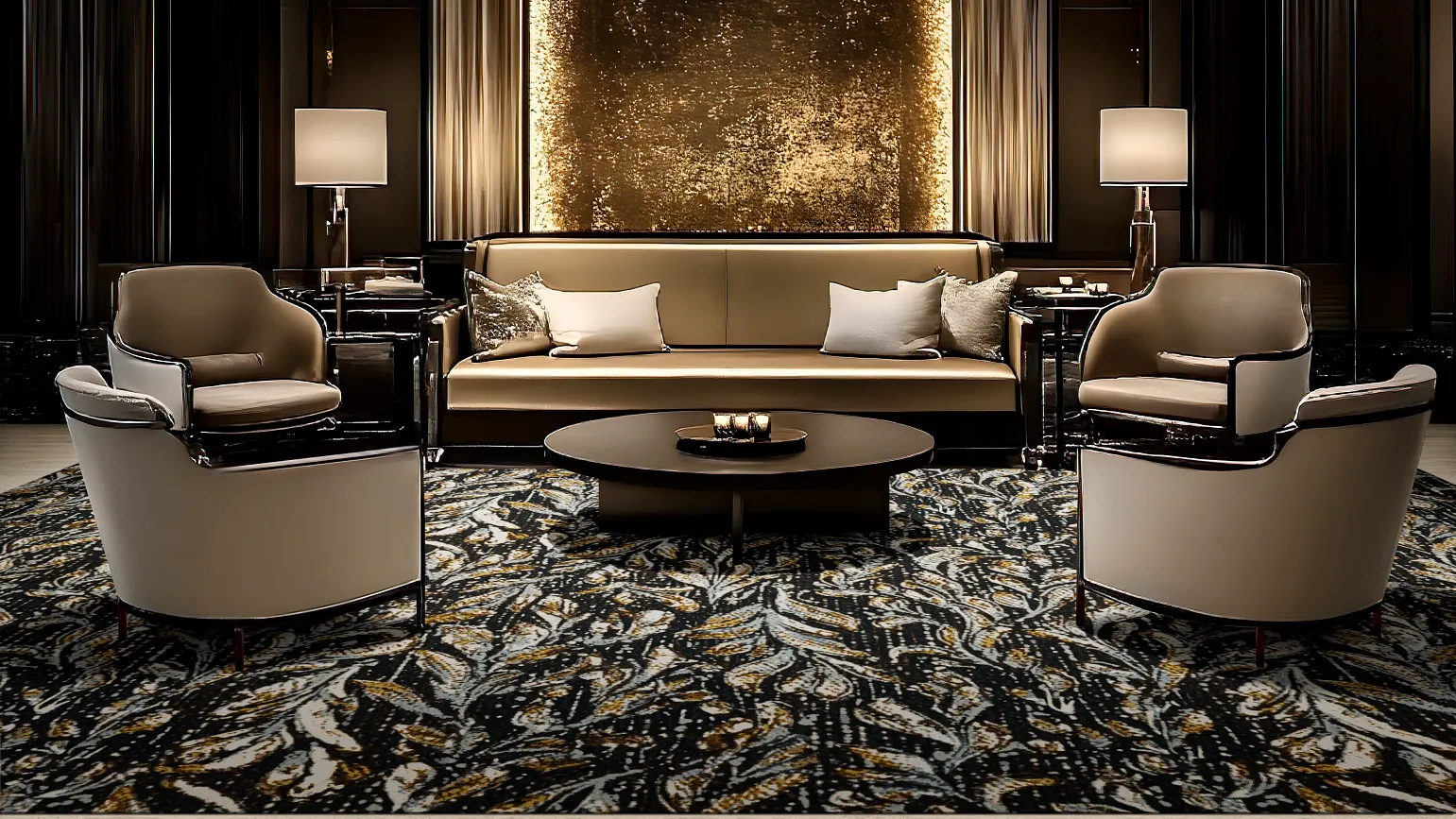
Custom Axminster broadloom carpet from the Radiant Collection
Article by: Amanda Hopkins | Shaw Contract Hospitality Marketing Manager
The Rise of Elevated Guest Experiences
As guest expectations evolve, hospitality spaces are enhancing their offerings beyond traditional amenities, focusing on immersive, personalized experiences that provide comfort, connection and convenience. Hotels and resorts are reimagining their environments to encourage guests to linger, socialize and fully engage with the space.
Lifestyle-Driven Lobbies: No longer just a check-in point, lobbies are becoming lifestyle hubs, blending boutique retail, curated beverage stations and lounge seating into a single, cohesive experience. Guests are drawn to inviting zones that offer premium coffee, warm lighting and layered materials that feel more like a stylish living room than a commercial lobby.
Hospitality design concepts to watch:
- Markets and concept shops are replacing traditional gift stores.
- Sculptural furniture and warm-toned materials support a more residential atmosphere.
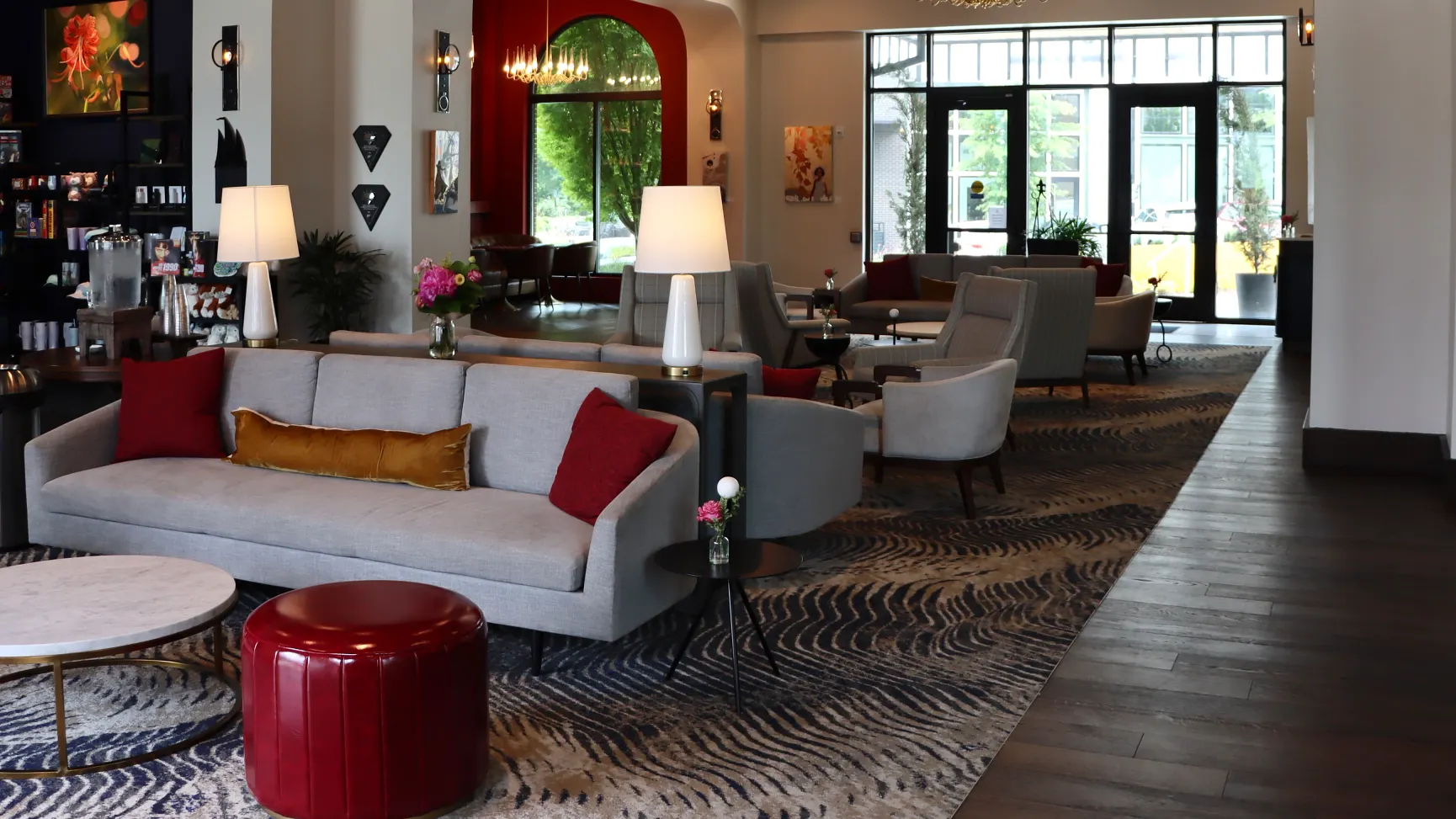
Custom carpet and Resurgence Oak engineered hardwood in Motif Oak
Hybrid Comfort Zones: As work and leisure blend, hospitality spaces embrace resimercial design bringing soft edges, warm finishes and home-like materials into public spaces. These hybrid zones support lounging, working, dining and a happy hour libations meetup all in one.
Hospitality design concepts to watch:
- Multifunctional areas like a lounge that flexes into a co-working space combine comfort and utility.
- Finishes like boucle upholstery, curved furniture and matte woods elevate the atmosphere without sacrificing performance.
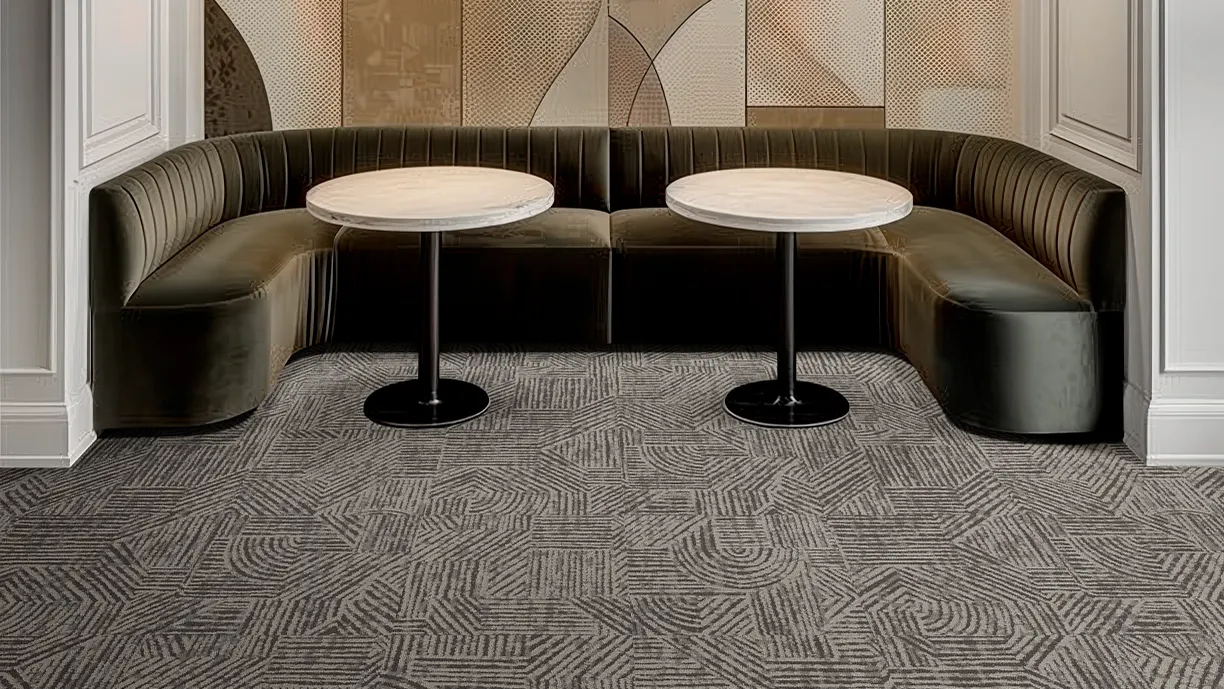
Wellness-Driven Touchpoints: More hotels are incorporating spa-like bathrooms, in-room fitness areas and relaxation zones. These posh finishes ensure guests experience both comfort and rejuvenation during their stay.
Hospitality design concepts to watch:
- Designers are layering wellness into the guest experience.
- Watch for features like cold plunge tubs, botanical installations and nature-inspired materials that foster a sense of retreat and restoration.
According to HBG Design, hospitality spaces are shifting toward highly curated guest experiences, prioritizing design that encourages relaxation, social connection and a sense of place.
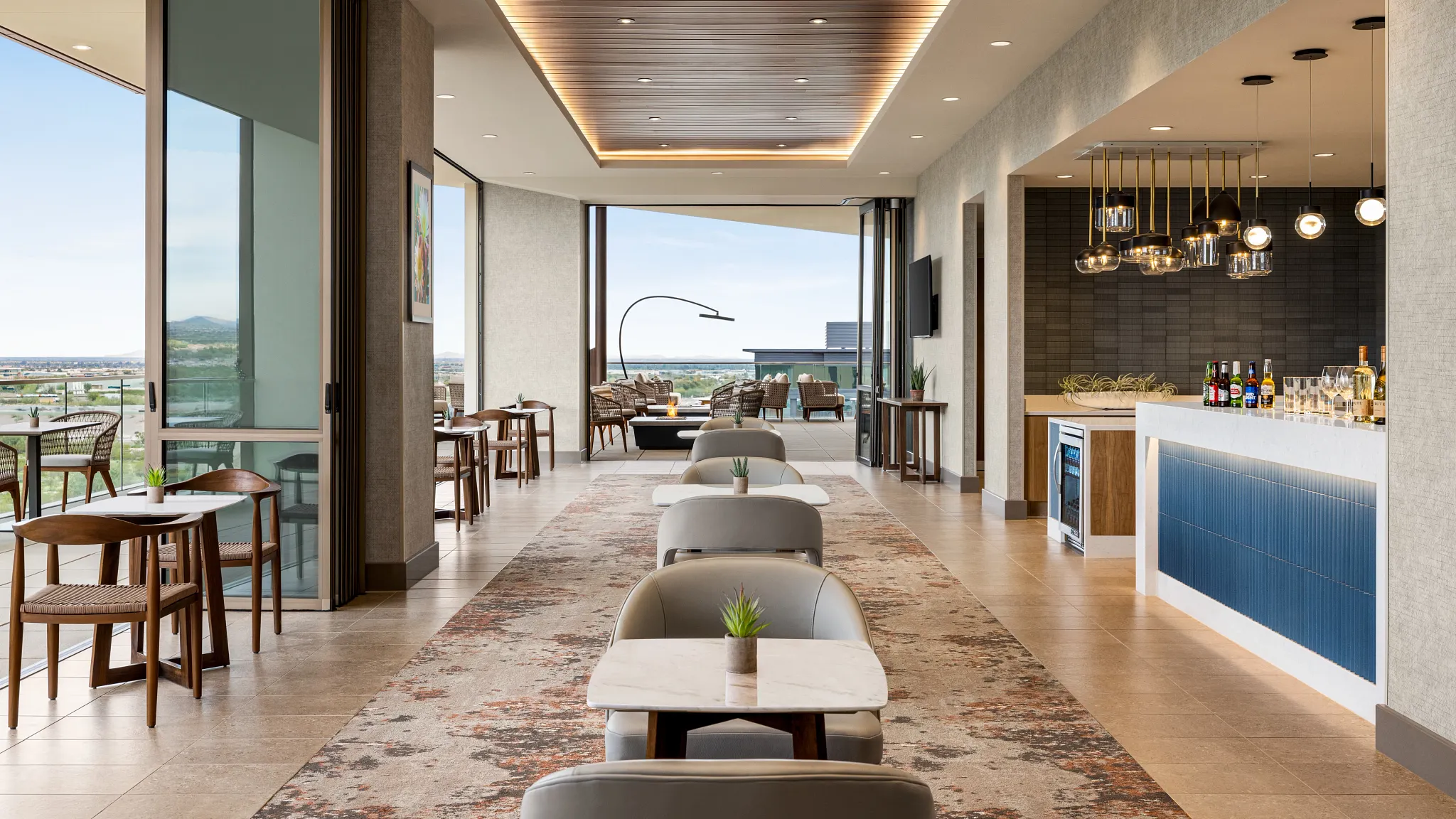
Hilton North Scottsdale | Hager Design International Inc.
A Shift in Materiality
Hospitality interiors embrace richer, more dynamic materials, moving beyond flat surfaces in favor of layered textures, sculptural forms and bold material contrasts. These elements add depth and sophistication, transforming spaces into curated, immersive environments.
Layered Textures: Natural stone, textured wall panels and upholstery with intricate detailing create a high-end, tactile experience. Surfaces, including carpet with dimensional patterns or high-low textures, contribute to this layering, enhancing both the look and feel of the space.
Hospitality design concepts to watch:
- The resurgence of tambour and fluted paneling in wood, porcelain and ceramic add texture and depth to interiors. These elements introduce a rhythmic visual interest, enhancing the tactile experience of hospitality spaces.
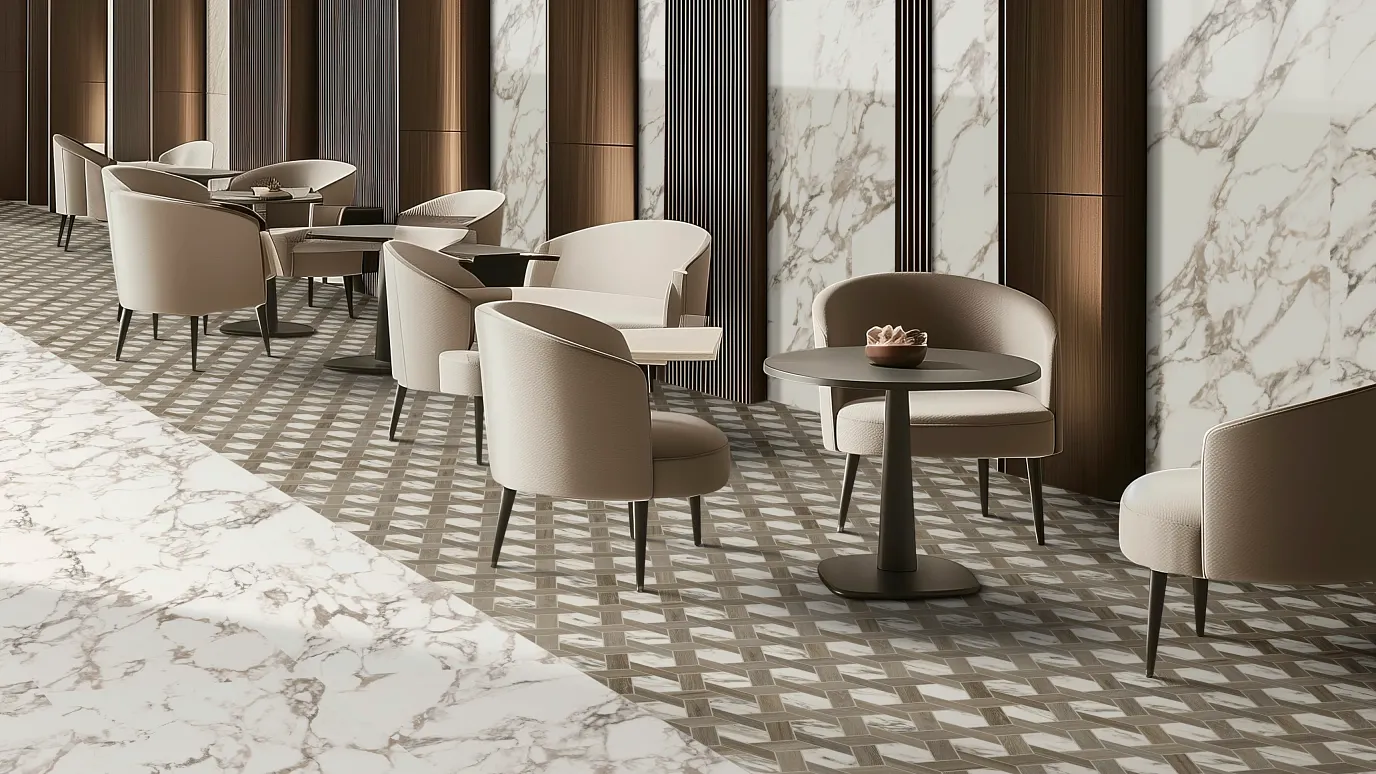
Aria porcelain tile
Sculptural Finishes: Modern furniture and decorative elements are becoming more sculptural, adding dimension and artistic appeal. In flooring, organic, flowing patterns or terrazzo-inspired surfaces are emerging to echo these curves and create movement.
Hospitality design concepts to watch:
- Incorporate mid-century modern elements, such as warm woods and geometric patterns, for a timeless appeal to contemporary hospitality design. This style's emphasis on simplicity and functionality aligns well with current design sensibilities.
Mixed Metals: Dark bronze, aged brass and chrome create contrast and sophistication. Pair these with rich wood finishes in millwork and flooring to ground the aesthetic.
Hospitality design concepts to watch:
- Design trend alert: Designers are also layering unexpected metal combinations such as matte black with polished nickel or chrome with antique brass to create a curated, collected feel across lighting, fixtures and hardware.
According to Hotel Designs, hospitality spaces in 2025 prioritize texture, form, and contrast to create warmth and refinement. Thoughtful layering of materials and finishes ensures interiors feel both elevated and inviting, enhancing the overall guest experience.
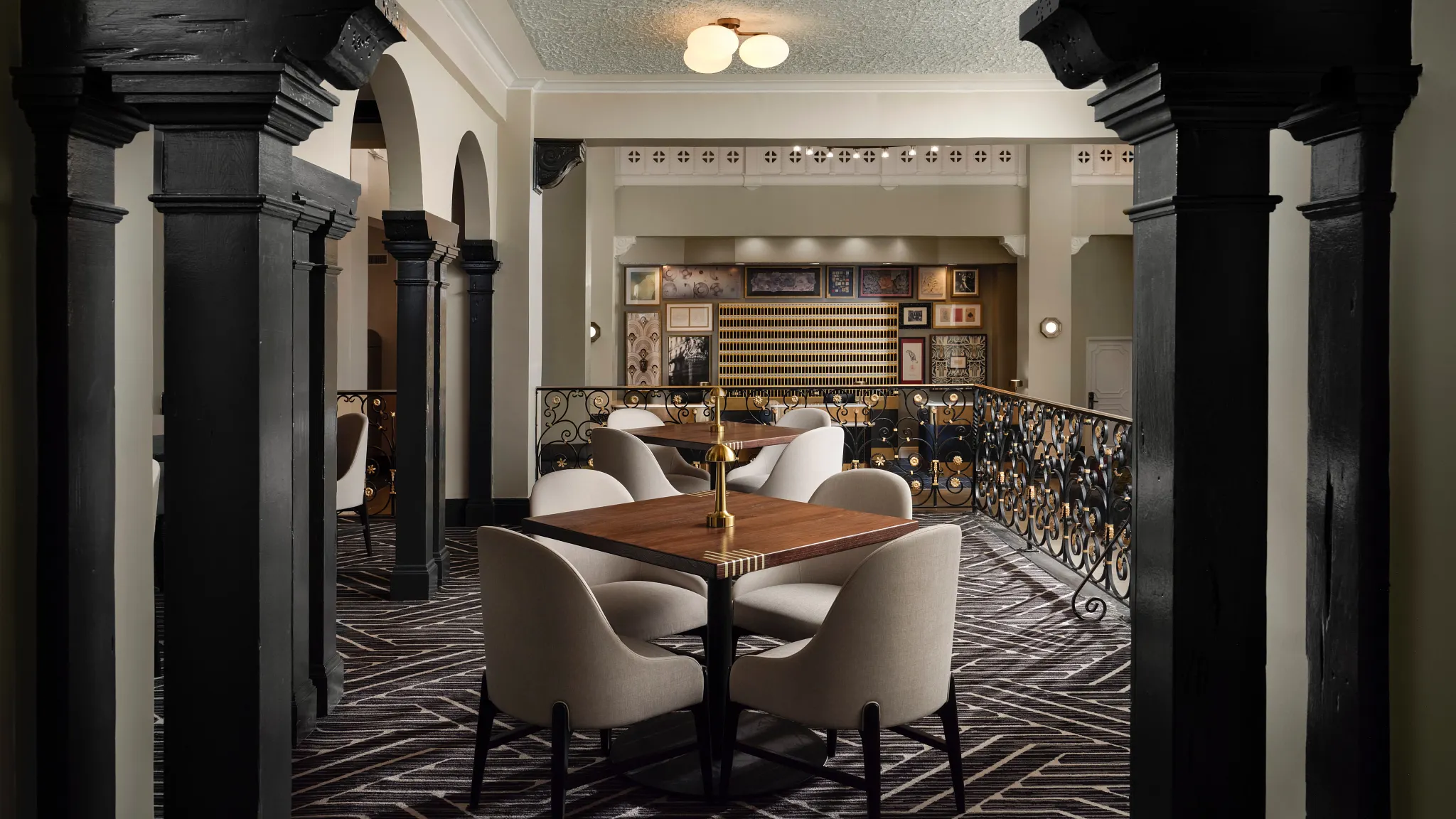
Hotel Flor Tampa Downtown | Jacki Arena Interiors
Expressive Interiors
Hospitality design is shifting toward expressive, personality-driven interiors, where bold colors, statement patterns and eclectic styling take center stage. Moving away from subdued minimalism, designers are curating immersive spaces that mix vintage influences with contemporary aesthetics, creating environments that feel both nostalgic and fresh.
Designed for social media: Playful, expressive interiors are now designed to create visually shareable moments that strengthen a brand’s identity and encourage guest interaction both in person and online
- Elements such as fluted wood paneling, jewel-toned velvet and retro-inspired tile work provide built-in visual moments that capture attention and encourage guest engagement.
Modern & Vintage Mix: A blend of antique elements with contemporary design adds warmth and a sense of nostalgia.
- Incorporating bold patterns like plaid, crushed velvet and animal print contributes to the maximalist aesthetic, creating visually engaging and memorable environments.
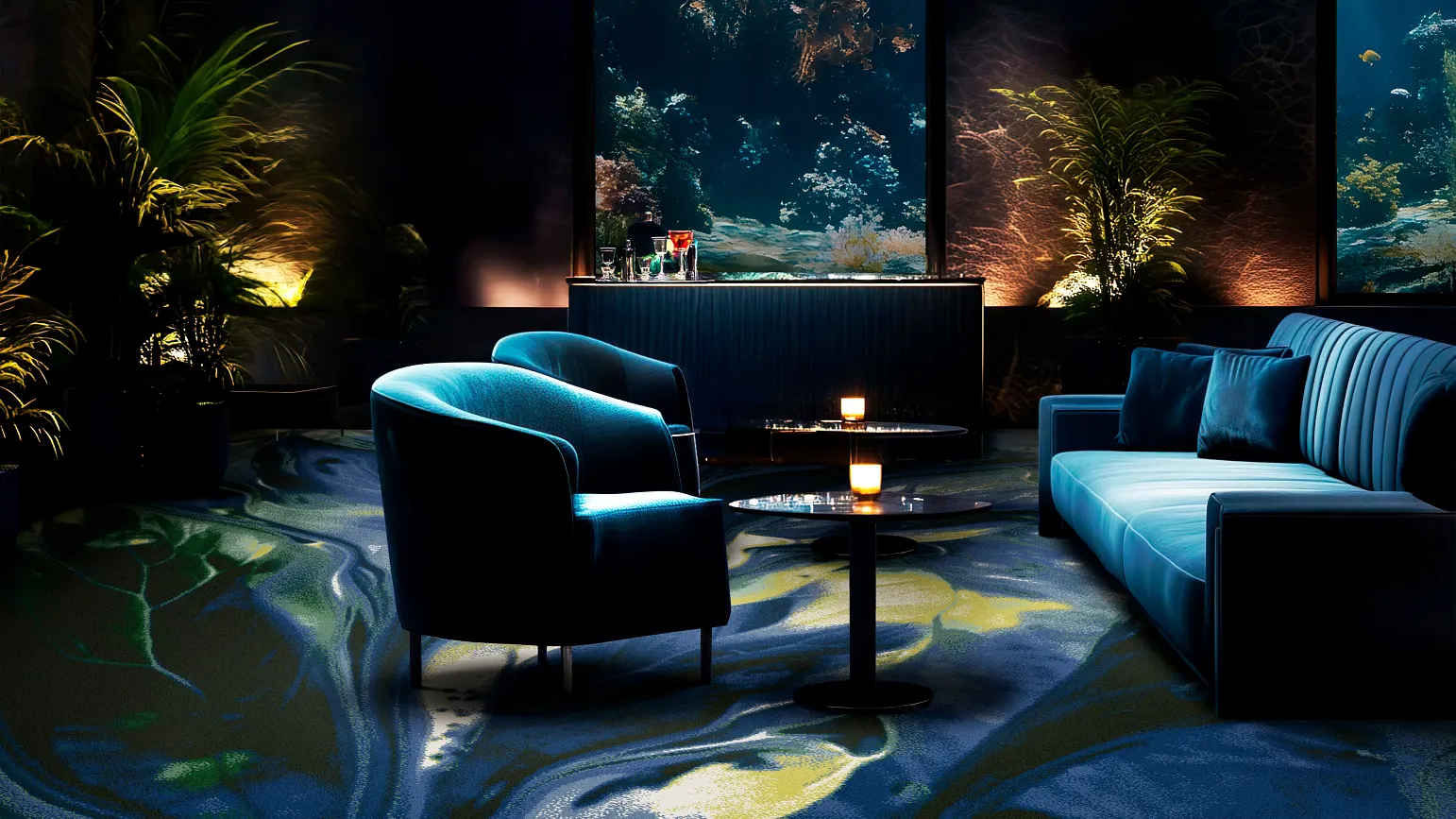
Custom Axminster broadloom carpet from the Midnight Collection
Pattern Play & Statement Details: Layering plaid, typography and floral motifs alongside Art Deco curves, sculptural elements and Memphis-inspired geometric shapes creates a highly stylized aesthetic.
- The use of colored marble and jewel tones like emerald and sapphire infuse spaces with luxury and vibrancy. These materials serve as focal points, adding sophistication to hospitality interiors.
According to Architectural Digest, the resurgence of rich color palettes, layered textures and decorative detailing is transforming interiors in 2025. This evolution in hospitality design embraces a more curated, expressive aesthetic, moving beyond neutral minimalism to create visually striking, guest-centric spaces that feel vibrant, lived-in, and engaging.
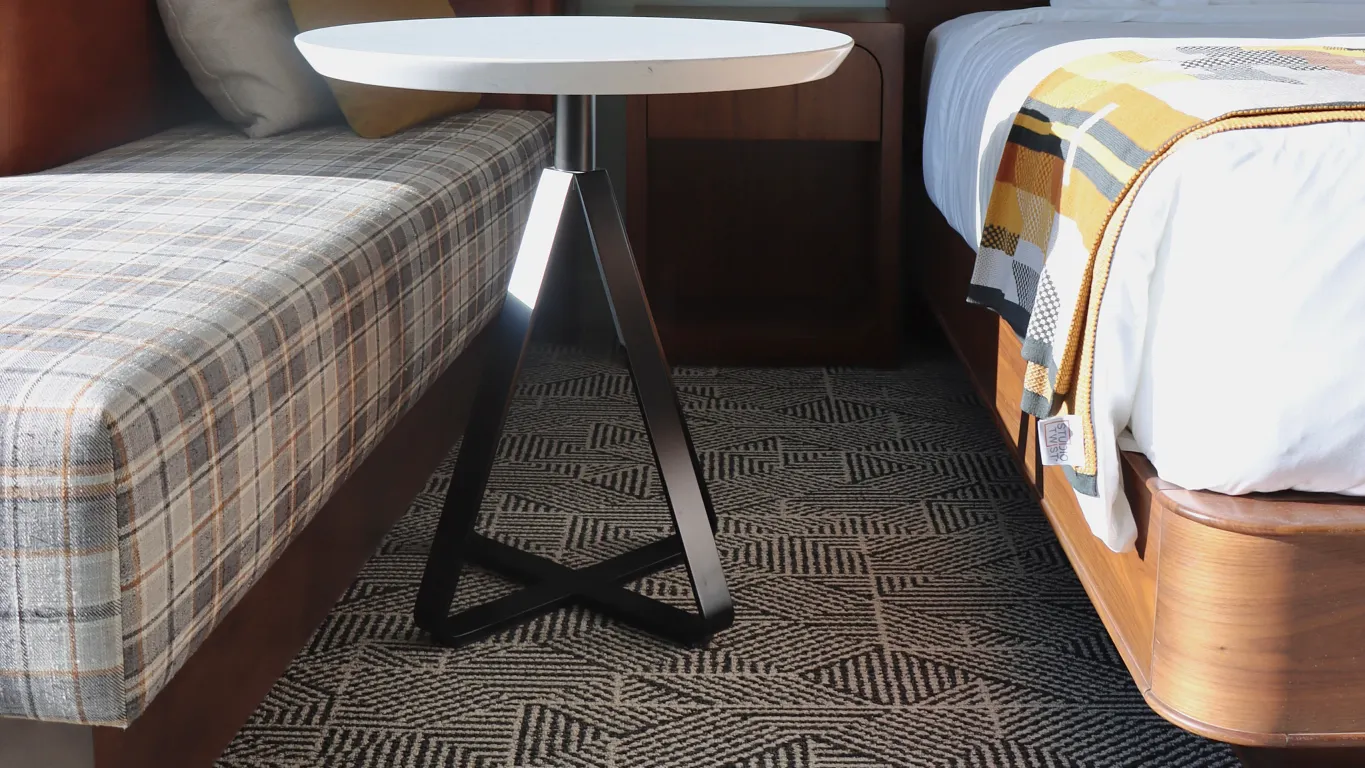
Asher Adams Autograph Collection, Salt Lake City, Utah | JNS Architecture + Interior Design
Looking Ahead: What's Next in Hospitality Design?
As hospitality spaces continue to evolve, elevated guest experiences, rich materiality and bold, expressive interiors are shaping the industry in 2025. Hotels are no longer just places to stay—they are immersive environments designed to engage, inspire, and leave a lasting impression. From curated lobbies and layered textures to dynamic, personality-driven aesthetics, these trends redefine how guests interact with hospitality spaces.
According to Condé Nast Traveler, upcoming hotel designs embrace sustainability and nature-inspired aesthetics, reflecting a broader industry trend toward eco-conscious and biophilic design.
In Part 2 of "Designing the Future," we’ll explore how flowing forms, earthy materials, and sustainability-driven innovation shape the next generation of hospitality interiors.
Learn more color insights in 2025 hospitality design: Maximalism meets nostalgic comfort with bold colors and nature-inspired textures. Hospitality Color Insights | Design Trends For 2025 | ShawContract
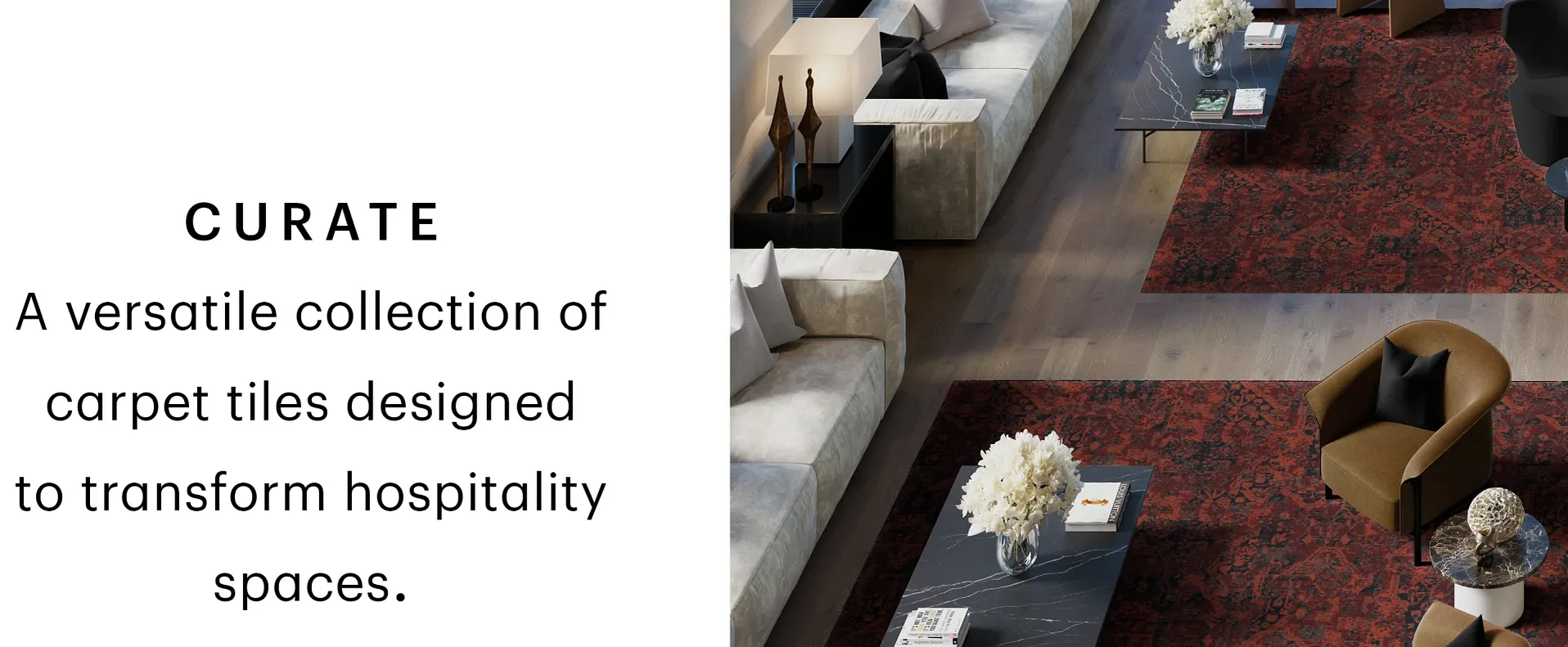
Personalize your hospitality spaces with personality through carpet tile. Learn More.
June 23, 2025
 By using our site you accept our terms of use and privacy policy.